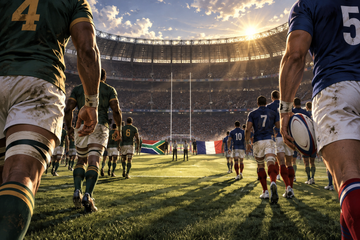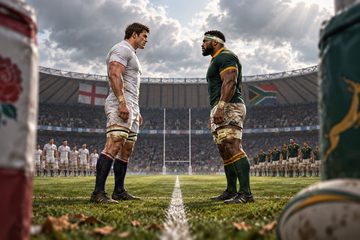
Bordeaux, the defending champions, brought their A-game but were matched by Gloucester, who placed eighth in the English Premiership last season. The home side, backed by a passionate crowd of 16,500, scored five tries and nearly managed an upset. Key players Louis Bielle-Biarrey and Maxime Lucu finally helped Bordeaux pull even in the latter stages of the match.
"That is the romance of this competition. It's about the best clubs from France, England, and the URC proving themselves in challenging environments where the crowd can significantly influence the outcome," Keohane noted.
However, Keohane criticized the strategy of teams like Stade Français and Bristol who sent weaker squads to South Africa to compete against the Bulls and Stormers. This move, he suggested, undermines the integrity of the competition and shortchanges fans.
He also pointed out the difficulty of attracting South African supporters, with attendance at Champions Cup games in Loftus and Cape Town Stadium dropping 60% from the previous URC derbies. The erratic tournament schedule adds to the challenge of building momentum and local interest.
"The tournament needs to engage fans right from the early stages, not just during the knockouts. That requires showcasing full-strength teams battling it out head-to-head," he added.
By ensuring that clubs bring their strongest squads to every game, the Champions Cup can maintain its appeal and continue to be a highlight of the rugby season. Keohane’s insights underscore the need for consistency in team selection to elevate the competition and enhance its global stature.