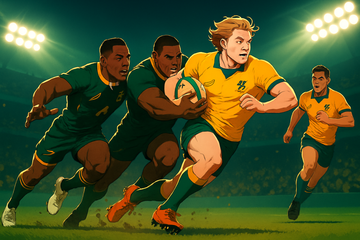
apan have made this World Cup with their effervescence, verve and slickness, but to beat South Africa for the second successive tournament they will need to show a capacity to react to something they have not planned for.
The Springboks feel like a customer at a bar who cannot get served. The focus has been on the hosts since their stunning victory over Scotland, a match that went ahead only after volunteers, some of whom had lost their houses when Typhoon Hagibis hit Japan’s capital last Saturday, worked selflessly from the early morning at the stadium in Yokohama. Little attention has been paid to the remarkable turnaround since Rassie Erasmus took charge of South Africa last year.
Rugby World Cup 2019: five things to look out for in the knockout stage
Michael Aylwin Read moreIt was difficult to think of them as World Cup contenders in December 2017 when they faced a weakened Wales in Cardiff and were 21-3 down at one point in the first half, conceding two tries when not even a rudimentary grasp of defending was shown. An abiding image was of Eben Etzebeth, then captain and one of the world’s top second-rows, leading a forlorn charge from his own line and then limping off. Would he, you wondered, ever wear the green jersey again?
However, Erasmus, in a short time, has South Africa playing like the Springboks again: hard, abrasive, uncompromising, well-conditioned but also spiced with some devilry. Primed by the scrum-half, Faf de Klerk, they can wing it with Cheslin Kolbe and Makazole Mapimpi, two of the most potent finishers here.
The way they started their final pool match against Canada, running from everywhere when their opponents were prepared for a forward onslaught, showed they pack the element of surprise, serious contenders who have earned the renewed respect of the All Blacks.
They will test Japan in a way Ireland and Scotland could not because their game, while having a fixed point, is multifaceted. By having six forwards on the bench, including a complete tight five, Erasmus is pointing the hosts to an attritional approach from the first minute to the last, sustained by fresh legs, but is it a trap?
The concern over Japan is that they are a highly programmed side. From the opening week, as they prepared to face Russia, a parade of players has said the same thing: we trust our leaders and follow their gameplan. Generals and soldiers, but what happens, in the heat of battle, when commands cannot be heard and initiative needs to be taken?
Japan have looked their least effective against the teams they were expected to beat, Russia and Samoa, emerging with a try bonus point but only late on.
FacebookTwitterPinterest Japan secured a famous win over South Afrcia in the 2015 World Cup. Photograph: Tim Ireland/APOnce Michael Leitch came on after 30 minutes, they were so impressive against Ireland when they were underdogs that they spooked one of the most structured teams around into, if not panic, a radical departure, by offloading and running from deep. The team that led the world rankings at the start of the tournament were unable to control the pace of the game, their fabric unravelling to the point where their staples of scrum, lineout and maul offered no comfort.